
What it is
An eyebolt is a single-point structural anchor fixed into a parent material — concrete, brickwork, steelwork, or timber — to provide a clip-on attachment point for a harness, lanyard, or work-positioning system. Eyebolts are the most common single-point anchor on UK commercial buildings. Typical applications include window cleaning access, restraint anchors for plant maintenance, back-up anchors for harness-based work, and emergency rescue anchors.
The Work at Height Regulations 2005 and BS 7883:2019 require every installed eyebolt to be inspected and load-tested by a competent person at least every twelve months. The test confirms each anchor’s continued capacity to arrest a falling user without the bolt pulling out of the substrate. Eyebolts in masonry, concrete, steel, and timber each have specific load criteria, failure modes, and inspection requirements that must be verified against the original manufacturer specification or, where no manufacturer is identified, against BS EN 795 Type A.
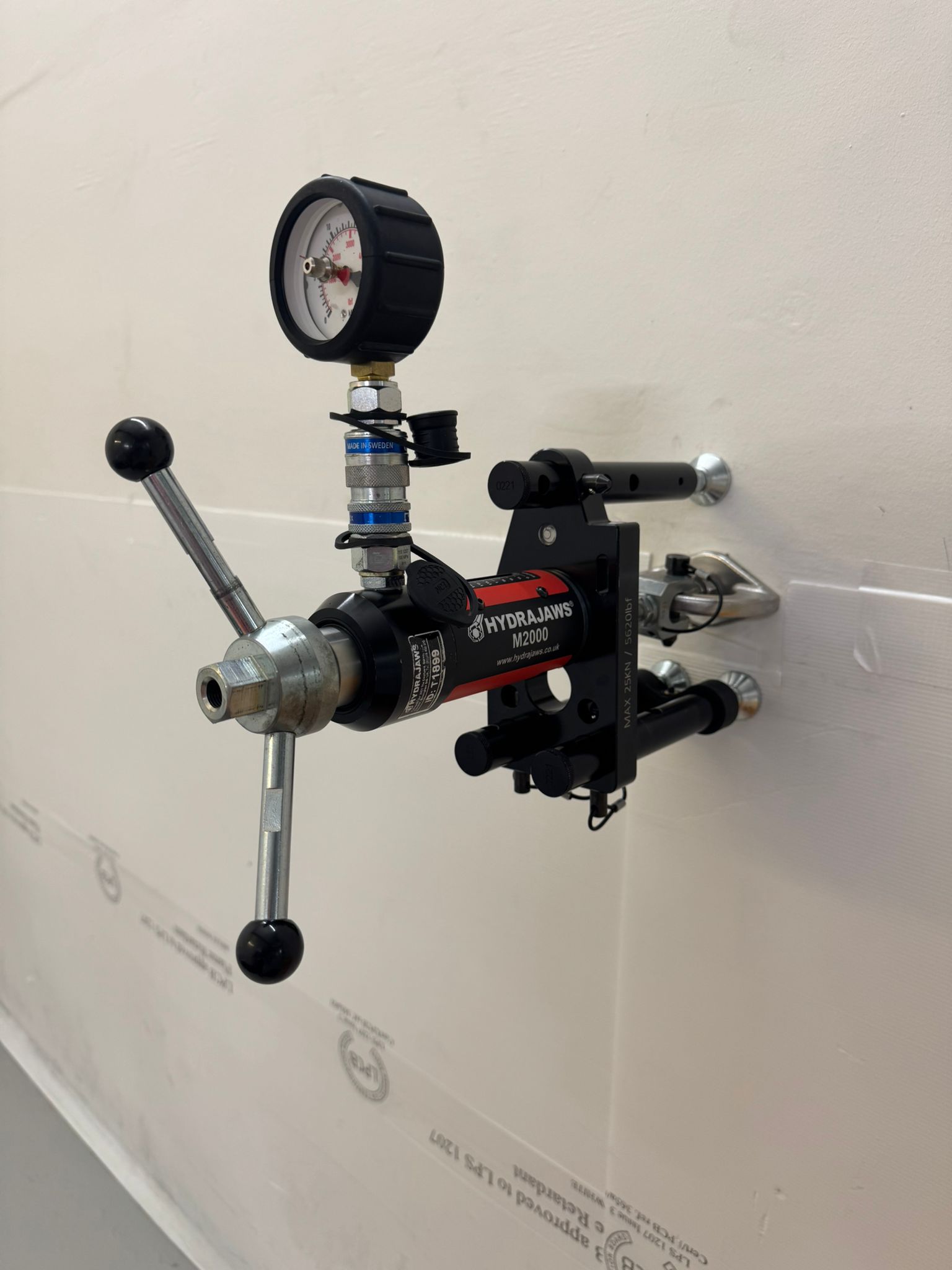
Our inspection includes a visual examination of every anchor, a documented pull test against the manufacturer’s specification, a check of the substrate condition around each fixing, and verification that each anchor is permanently identified and recorded in the building’s anchor register. The pull test is the critical element: a visually sound eyebolt can still fail under load if the resin bond has degraded, the substrate has weathered, or the fixing has been disturbed by adjacent works.
Eyebolts are one of the most frequently failed items in routine compliance inspection. Fixings into masonry loosen as substrates weather. Anchors fitted in older buildings may pre-date current BS EN 795 specifications and require replacement. Anchors installed by previous contractors without a certified pull-test record can never be retrospectively certified — they must be re-tested and re-certified or removed from service.
When it applies
- Annual recertification, mandatory under BS 7883:2019 and BS EN 365
- After any fall arrest event involving the anchor
- On acquisition or change of building ownership
- When historic anchors of unknown provenance are found and need formal assessment
- Before any harness-based work that relies on the anchors, where the last certificate has lapsed
The process
- Anchor inventory. Every eyebolt on site located, counted, and documented against the building’s anchor register.
- Identification check. Each anchor checked for permanent identification marking. Unmarked anchors flagged for assessment.
- Visual inspection. Each anchor and its surrounding substrate inspected for corrosion, cracking, movement, or substrate damage.
- Pull test. Each anchor load-tested against the manufacturer’s specification or, where the manufacturer is unknown, against BS EN 795 Type A criteria. Documented result recorded for every anchor.
- Certification. Compliant anchors receive a 12-month certificate with location reference. Non-compliant or unidentified anchors flagged for replacement.
What you receive
- Test certificate to BS EN 795 Type A and BS 7883:2019 for every anchor
- Pull test record with documented load result for each anchor
- Annotated building plan showing every anchor and its status
- Photographic record of every test
- Updated anchor register
- Replacement quotation for any failed or unidentifiable anchors
- 12-month recertification reminder