
Book Your Testing, Installation and Recertification Today!
Ensure your building’s fall protection systems are safe, compliant, and ready for use.
Sky Height Safety provides professional mobile man anchor testing across the UK, combining rigorous compliance testing with real-world safety assurance, clear reporting, and expert guidance.
Whether you manage a commercial building, oversee facilities, or are preparing for an audit, we help you stay compliant, reduce risk, and protect people working at height.
What Is Mobile Man Anchor Testing?
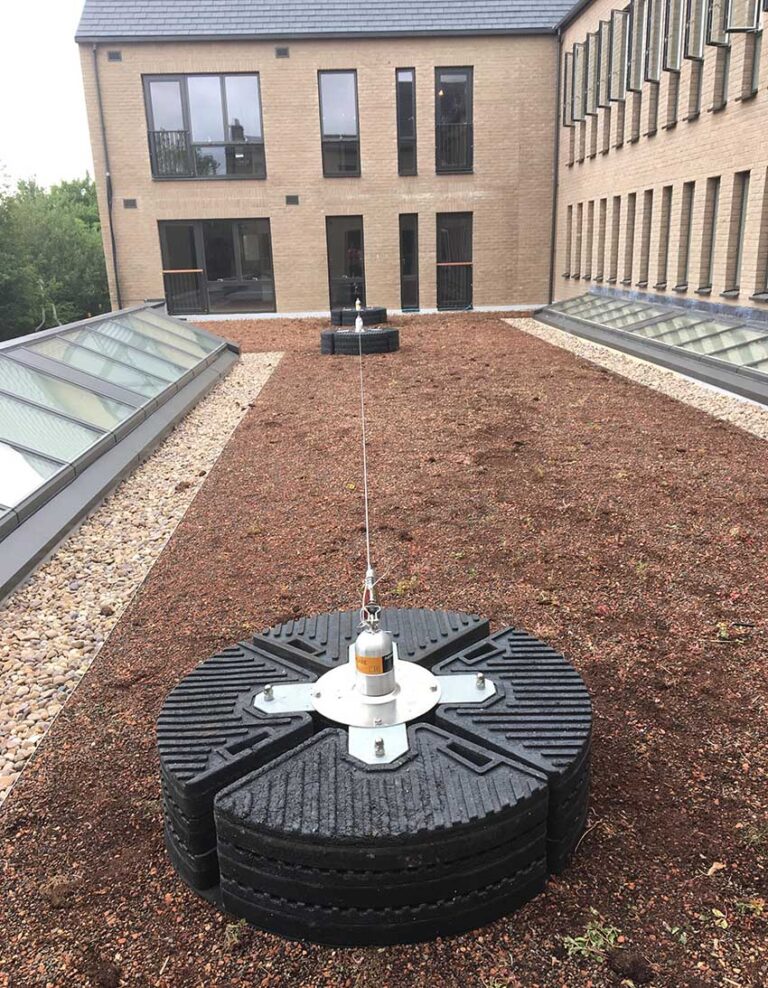
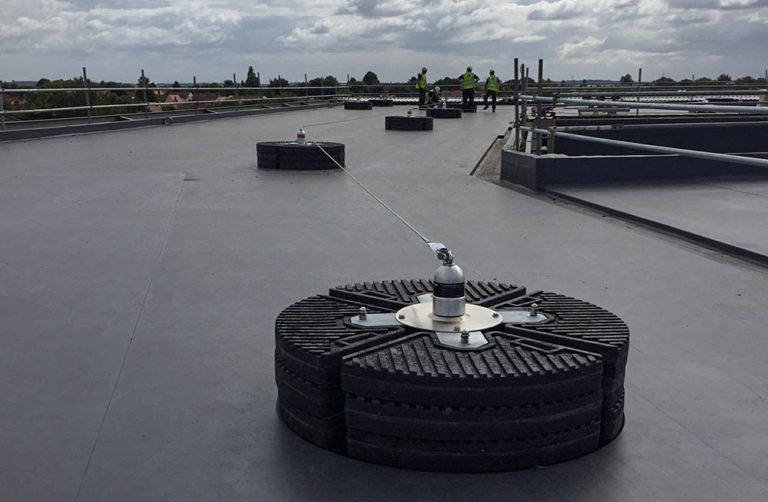
A mobile man anchor is a temporary, portable fall-arrest anchor device designed to provide a secure attachment point for workers carrying out short-duration tasks at height, commonly on flat or low-pitched roofs.
Mobile man anchor testing verifies that the system:
- Performs as intended under load
- Has not degraded through use, movement, or environmental exposure
- Remains compliant with relevant British Standards
- Is safe for continued use by operatives
Unlike fixed anchors, mobile systems are moved and reinstalled frequently, making regular testing and inspection essential.
Why Mobile Man Anchor Safety Testing Is Critical
Mobile man anchors experience unique stresses that are often overlooked.
From our on-site testing experience, common risks include:
- Undetected wear to counterweights, fixings, or anchorage points
- Incorrect placement on unsuitable roof surfaces
- Component degradation from weather exposure
- False confidence — systems assumed safe because they “look fine”
Without proper testing, these issues can remain hidden until a fall occurs — when it’s too late.
Mobile man anchor safety testing is not just about compliance.
It is about verifying real-world performance and ensuring the system will function when relied upon most.
Mobile Man Anchor Compliance Testing Explained
Our mobile man anchor compliance testing is carried out in line with relevant British Standards and industry best practice.
What Our Testing Includes
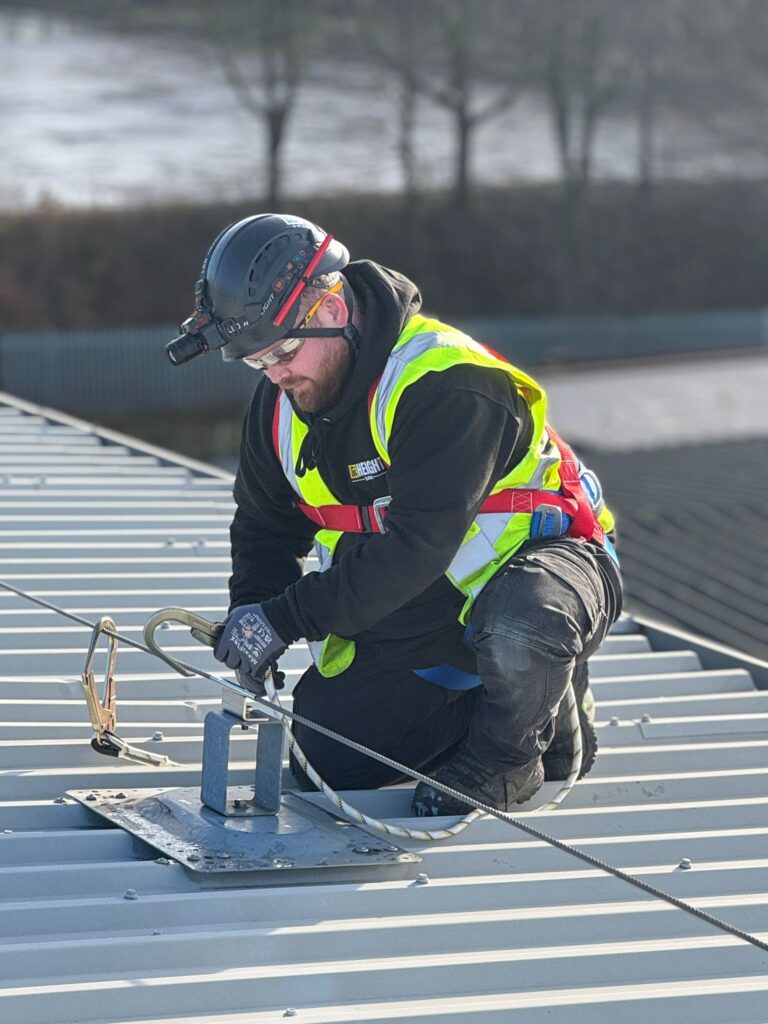
- Thorough visual inspection of all components
- Assessment of system configuration and placement
- Load testing where required
- Verification against applicable standards (such as BS EN 759:2012 Class E & BS 7883) Identification of defects, misuse, or limitations
You receive clear certification and documentation confirming:
- Pass or fail status
- Any limitations or corrective actions
- Re-test and inspection intervals
This documentation is designed to support:
- Health & safety audits
- Facilities management records
- Contractor compliance requirements
How Often Do Mobile Man Anchors Need Testing?
In most cases, mobile man anchors require inspection at least annually.
Additional testing may be required:
- After a fall or shock load
- If the system has been relocated or reconfigured
- Where components show signs of damage or excessive wear
- Following prolonged periods of storage or non-use
If you are unsure whether your system is due, we can help you assess your current compliance status.
Mobile Man Anchor Testing and Maintenance: A Lifecycle Approach
Mobile man anchors should never be treated as “fit and forget”.
We take a lifecycle-based approach to mobile man anchor testing and maintenance:
- Initial suitability assessment
- Routine inspection and compliance testing
- Identification of wear or misuse
- Maintenance, adjustment, or component replacement
- Clear guidance on continued safe use or system limitations
This approach:
- Reduces long-term costs
- Prevents unexpected failures
- Helps you plan maintenance budgets proactively
Many issues we identify during testing are maintenance-related, not immediate failures — catching these early prevents downtime and risk escalation.
When a Mobile Man Anchor May Not Be the Right Solution
One key difference in our approach is honesty.
Mobile man anchors are not suitable for every building or task.
They may be inappropriate where:
- Roof surfaces cannot safely support the system
- Multiple users need simultaneous protection
In these cases, we may recommend alternative systems such as:
- Permanent horizontal systems through our safety line compliance testing
- Fixed anchorage solutions via eyebolt testing
Our priority is safe, compliant access not selling unsuitable systems.
Expert Insight: What We See on Real Sites
“The most common issue we find during mobile man anchor testing isn’t outright failure — it’s incorrect use. Systems placed on unsuitable surfaces, missing components, or assumed safe without verification. Proper testing often reveals risks that aren’t obvious from visual checks alone.”
With over 20 years of hands-on height safety experience, our engineers regularly help clients identify hidden risks before incidents occur.
Why Choose Sky Height Safety?
- 20+ years of technical and engineering experience
- Nationwide mobile man anchor testing services
- Expertise across multiple height safety systems
- Clear, audit-ready reports with no ambiguity
- Honest advice — no unnecessary replacements or upselling
- Practical guidance you can act on immediately
Clients trust us because we combine compliance knowledge with real-world understanding of how systems are used on site.
Frequently Asked Questions
How often do mobile man anchors need to be inspected?
Most mobile man anchors require inspecting at intervals no greater than twelve months. Load testing may also be required after a fall, relocation, or if damage is suspected.
What is a mobile man anchor?
A mobile man anchor is a temporary fall-arrest anchorage device designed to be repositioned as needed, commonly used for short-duration roof access tasks.
What are the different types of anchor testing?
Anchor testing can involve several methods depending on the type of system and how it is used. This may include a detailed visual inspection of components, functional testing to confirm the system operates correctly, and compliance certification to verify the anchor meets relevant British Standards and safety requirements.
Do anchor points need to be tested?
Yes. Anchor points used for work at height should be inspected at least once every 12 months to ensure they remain safe and compliant. Testing usually includes a visual inspection and, where required, load testing to confirm the anchor can safely support fall protection systems.